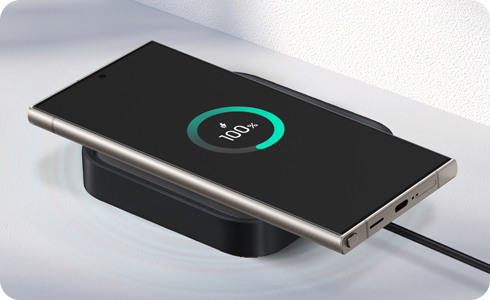
The Truth Behind Fast Charging: What You Need to Know
Fast charging has become a buzzword in the tech world, promising to replenish your devices in record time. But what is the truth behind fast charging? Many people assume that higher wattage simply translates to faster charging speeds, but that's not the whole story. Factors like the device's battery health, the quality of the charging cable, and even the ambient temperature can significantly affect charging efficiency. In this post, we’ll explore the intricacies of fast charging technology and what you should know before you rely on it as your go-to charging method.
While fast charging can be incredibly convenient, it’s essential to understand the potential downsides as well. Over time, consistently using high-speed charging can lead to battery wear and reduce overall lifespan. According to some studies, it can increase the rate of heat generation, contributing to thermal stress on your device. Therefore, it's wise to utilize fast charging sparingly and opt for standard charging methods when possible to maintain the health of your device's battery. In conclusion, knowing the balance between convenience and battery health is crucial for your electronics longevity.
Counter-Strike is a multiplayer first-person shooter video game franchise that has become a staple in the esports community. Known for its team-based gameplay, players join either the terrorist or counter-terrorist factions to complete objectives. If you're looking for reliable equipment to enhance your gaming experience, check out the Top 10 Android Charging Cables to ensure your devices are always ready for action.
Myths vs. Reality: How Fast Charging Affects Battery Health
When it comes to fast charging technology, misconceptions often cloud the reality of its effects on battery health. One prevalent myth is that using a fast charger will invariably lead to a significantly shorter battery lifespan. In truth, modern smartphones and devices are equipped with sophisticated power management systems that regulate charging speeds. These systems can intelligently adjust the rate of charge, ultimately minimizing stress on the battery. Fast charging is designed not to harm the battery when used with compatible devices, provided users follow the manufacturer's guidelines.
Another common belief is that a battery will degrade more rapidly if frequently charged to 100%. While it's true that lithium-ion batteries do experience wear over time, charging habits have a more nuanced impact. Keeping your battery level between 20% and 80% can enhance its longevity, regardless of whether you're using fast charging or standard charging methods. Therefore, rather than fearing fast charging, users should focus on overall charging practices to maintain battery health effectively.
Can You Really Charge Your Phone in 30 Minutes? Exploring Fast Charging Limitations
In today's fast-paced world, we often find ourselves asking, can you really charge your phone in 30 minutes? The concept of fast charging has gained significant traction with advancements in technology, allowing some smartphones and devices to charge up to 75% in just half an hour. However, the reality is a bit more complicated. Various factors, including the charging technology used, the phone's battery capacity, and even the charger you have on hand, play critical roles in determining the actual charging speed. For instance, devices equipped with Quick Charge or USB Power Delivery can achieve remarkable charging speeds, but not all devices support these technologies.
Moreover, while fast charging is appealing, there are limitations to consider. First, the temperature of the device can significantly affect charging speed; if your phone heats up too much, it may throttle the charging rate to protect the battery. Additionally, charging a phone to 100% rapidly can put undue stress on the battery, potentially shortening its lifespan. For these reasons, it’s essential to use genuine chargers and cables recommended by the manufacturer to maximize efficiency and safety. Ultimately, while 30-minute charging is achievable under optimal conditions, knowing the constraints can help manage expectations for users seeking the quickest power-ups.