The Power of Design: How Creative Choices Influence Our World
The impact of design extends far beyond mere aesthetics; it shapes our experiences and interactions with the world around us. From iconic products to digital interfaces, creative choices play a crucial role in how we perceive functionality and value. For instance, consider the design of everyday items, like smartphones or kitchen appliances. Intelligent design not only enhances usability but also creates an emotional connection with users. As a result, businesses that prioritize design thinking often outperform their competitors, as they understand that the visual and functional aspects of their products can significantly influence consumer behavior.
Moreover, the influence of design is ignited in various industries, from fashion to technology, and even urban planning. Thoughtful design decisions can foster community engagement, promote sustainability, and elevate societal standards. For example, cities that emphasize green architecture and public spaces can improve residents' quality of life while attracting tourism. Ultimately, the power of design lies in its ability to challenge norms and inspire change, making our world not only more functional but also more beautiful. As such, embracing innovative creative choices can lead to transformative experiences that resonate on both personal and global levels.
Counter-Strike is a highly competitive first-person shooter game that has captured the hearts of gamers since its release. Players engage in team-based gameplay, where they can take on the roles of terrorists or counter-terrorists, completing objectives such as bomb defusal or hostage rescue. To optimize your gaming experience, consider the Top 10 Home Office Setups that can enhance your performance and comfort while playing.
Innovative Solutions: How Design Thinking is Shaping Tomorrow
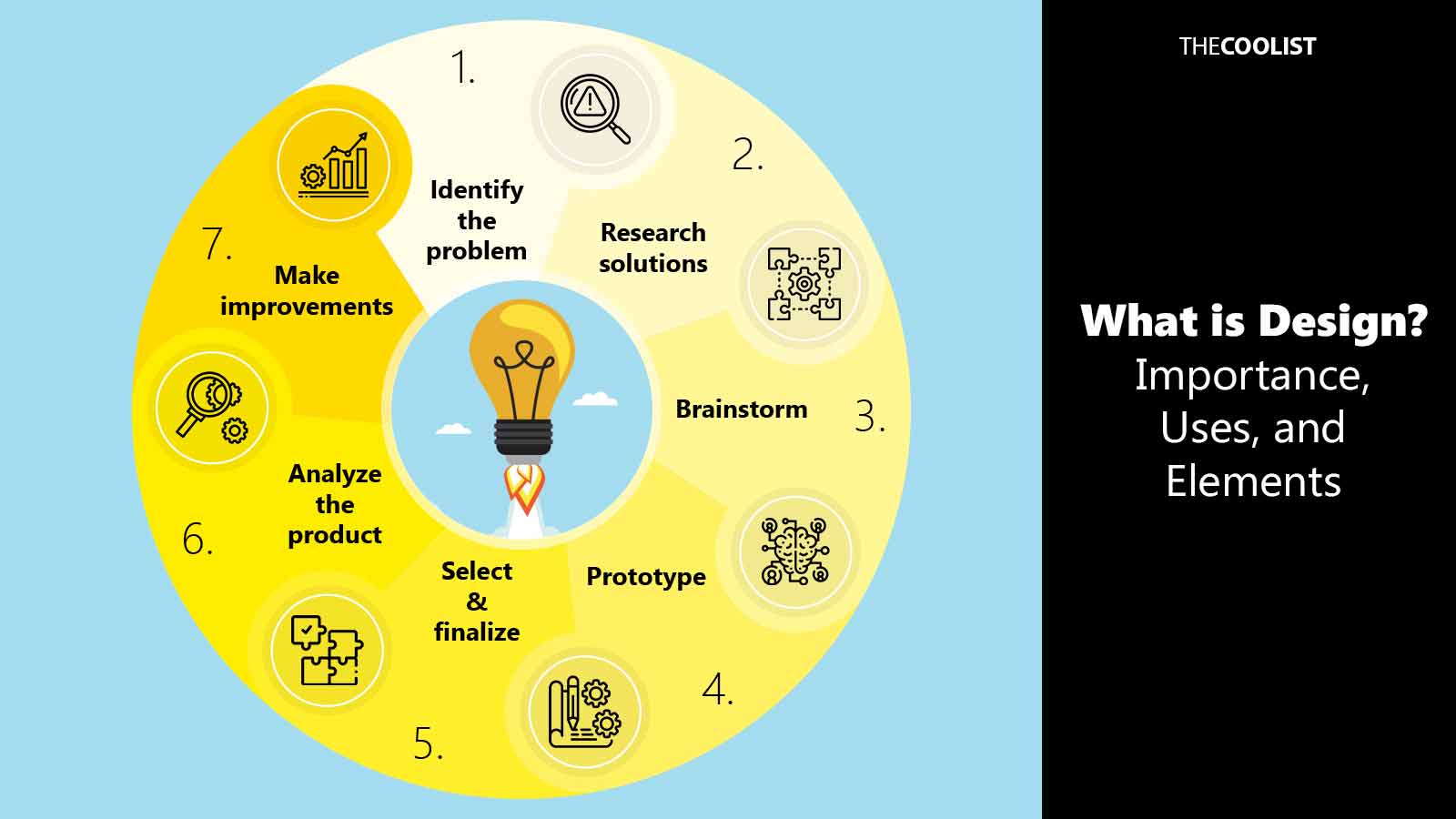
In today's rapidly evolving landscape, design thinking has emerged as a pivotal approach for fostering innovative solutions across various domains. This human-centered methodology encourages teams to identify and solve complex problems by prioritizing the user experience. By adopting a mindset that emphasizes empathy, experimentation, and collaboration, organizations can effectively tackle challenges and enhance their products or services. Design thinking creates a framework where teams can brainstorm, prototype, and test ideas in a structured manner, ultimately leading to impactful outcomes that resonate with users.
Moreover, as industries continue to integrate technology and anticipate future trends, the significance of design thinking will only intensify. Businesses are increasingly recognizing that innovation is not merely about technology; it is about understanding human needs and aspirations. Here are some ways design thinking is shaping tomorrow:
- Enhanced Problem Solving: By focusing on empathy and understanding end-users, teams can uncover insights that lead to effective solutions.
- Cross-Disciplinary Collaboration: The collaborative nature of design thinking fosters diverse interactions, sparking creativity and idea generation.
- Rapid Prototyping: This approach encourages quick testing of ideas, allowing organizations to pivot and adapt swiftly.
By harnessing the principles of design thinking, businesses can future-proof themselves, ensuring they remain competitive and relevant in an ever-changing environment.
What Role Does Creativity Play in Building a Sustainable Future?
Creativity serves as a driving force in developing innovative solutions to the pressing environmental challenges we face today. By thinking outside the box and approaching problems from new angles, creative individuals and organizations can design sustainable practices that are both effective and transformative. Creativity enables the exploration of alternative energy sources, waste reduction techniques, and sustainable architecture, all of which play a crucial role in building a sustainable future. For instance, urban planners use creative designs to incorporate green spaces that reduce heat and improve air quality, ultimately enhancing the livability of our cities.
Moreover, creativity fosters collaboration across various fields, allowing diverse perspectives to come together in the pursuit of sustainability. This interdisciplinary approach can lead to groundbreaking concepts like circular economies, where waste is minimized, and resources are reused effectively. As creativity encourages open dialogue, it also inspires communities to engage in sustainability efforts, leading to greater public awareness and action. Ultimately, embracing creativity in our strategies for sustainability ensures a more resilient and harmonious relationship between humanity and the planet.