The Evolution of Data Storage: How Floppy Disks Paved the Way for Modern Devices
The journey of data storage has witnessed remarkable transformations, with each innovation building upon the lessons learned from its predecessors. One of the earliest forms of storage was the floppy disk, introduced in the late 1960s. While it may seem primitive today, the floppy disk laid the groundwork for the development of modern data storage devices. With capacities ranging from a mere 1.44 MB in the standard 3.5-inch disk to larger versions, these disks facilitated the transfer and backup of important files, making them essential for both personal and business use.
As technology progressed, the limitations of floppy disks became apparent, paving the way for more advanced storage solutions. The introduction of hard disk drives (HDDs) and later, solid-state drives (SSDs), showcased the need for greater capacity, speed, and reliability. Floppy disks may now be considered obsolete, but they played a crucial role in computing history by setting the stage for the intricate and efficient data storage devices we rely on today, such as flash drives and cloud storage solutions. This evolution illustrates the continuous quest for improved technology in our ever-expanding digital landscape.
Counter-Strike is a popular first-person shooter game that pits teams of terrorists against counter-terrorists in objective-based gameplay. Players must work together to strategize and accomplish missions, such as bomb defusal or hostage rescue. To keep your gaming setup clean and well-maintained, you might want to consider checking out the Top 10 macbook cleaning kits available online.
Smart Home Technology: Are We Living in the Future?
As we navigate through the 21st century, smart home technology is rapidly transforming the way we live, making it feel like we are indeed living in the future. From smart thermostats that learn our preferences to security systems that can be monitored remotely, these innovations not only enhance our convenience but also improve energy efficiency and home safety. Gone are the days of traditional appliances; today, we can control everything from lighting to entertainment systems with just a simple voice command or a tap on our smartphones. With the advent of technologies such as the Internet of Things (IoT), our homes are becoming increasingly interconnected, allowing for seamless communication between devices.
However, along with the benefits of smart home technology comes a range of considerations that homeowners must address. Issues such as cybersecurity threats, privacy concerns, and the digital divide can impact the overall experience. Therefore, it is essential for consumers to stay informed and take necessary precautions to protect their data. As we continue to embrace these advancements, it is clear that smart homes are not merely a futuristic vision but a tangible reality that offers both exciting possibilities and challenges.
Ten Essential Electronics That Transformed Everyday Life
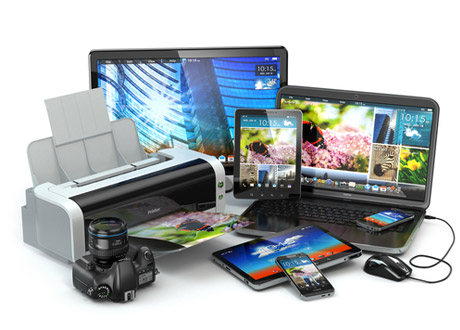
Throughout history, various innovations in technology have dramatically reshaped our daily routines, enhancing convenience and connectivity. Here are ten essential electronics that have transformed everyday life:
- Smartphones - These multi-functional devices have made communication, navigation, and entertainment accessible at our fingertips.
- Personal Computers - Revolutionizing how we work, learn, and interact, PCs paved the way for the digital age.
- Television - Offering information and entertainment, televisions have become central to family life and cultural exchange.
- Household Appliances - Innovations such as microwaves and washing machines have streamlined chores, saving us valuable time.
- Digital Cameras - Allowing us to capture moments in high quality, digital cameras have changed how we document our lives.
Moreover, several other electronics have left a lasting impact:
- Wearable Technology - Devices like smartwatches and fitness trackers have transformed health monitoring and personal fitness.
- Tablets - Combining the portability of smartphones and the functionality of laptops, tablets have enhanced how we consume media and work on the go.
- Streaming Devices - Changing the landscape of entertainment, these devices enable us to access diverse content anywhere, anytime.
- Smart Home Devices - Technology such as smart speakers and connected thermostats have revolutionized home automation.
- Electric Vehicles - Redefining transportation, EVs are changing how we think about energy use and environmental impact.