Understanding Ergonomics: Key Principles for a Comfortable Workspace
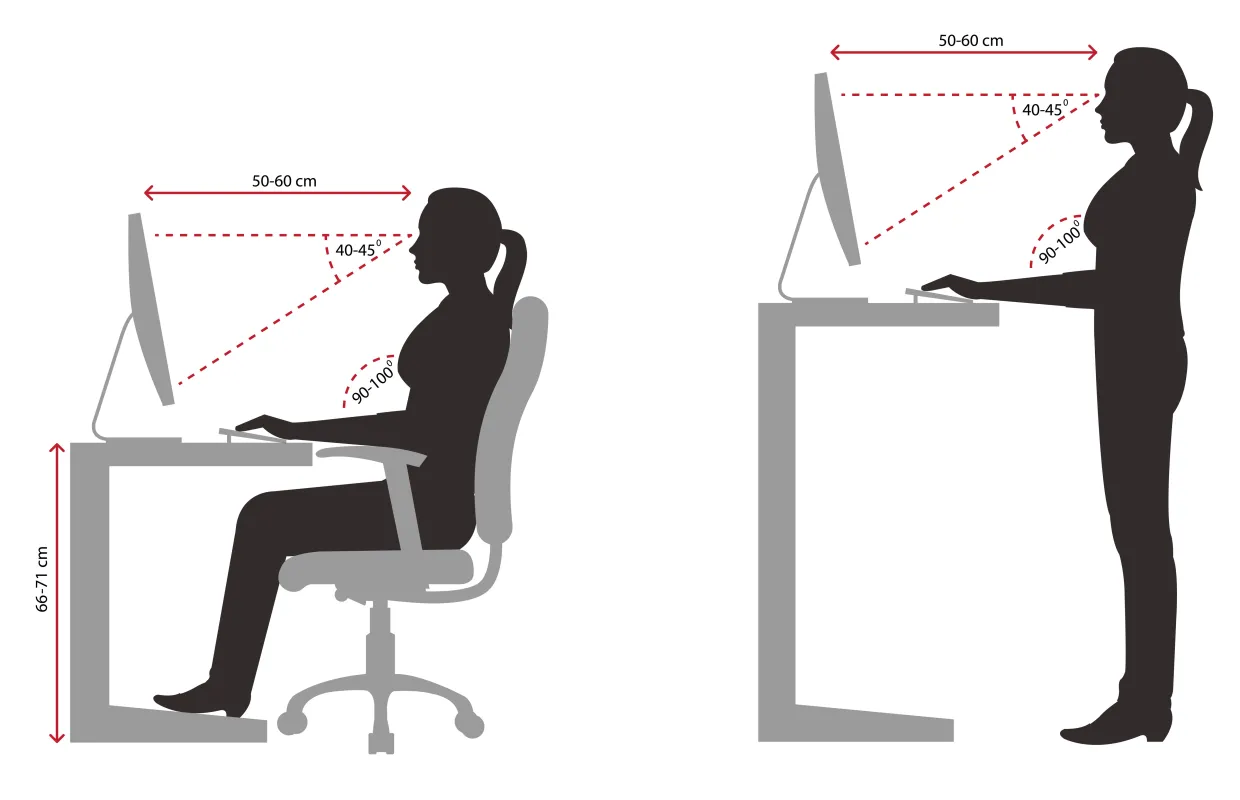
Understanding ergonomics is essential for creating a workspace that promotes comfort and productivity. At its core, ergonomics involves designing a workspace that fits the individual's needs, reducing strain and discomfort. To achieve a truly ergonomic workspace, consider these key principles:
- Adjustable Furniture: Select chairs and desks that can be easily adjusted to fit your body dimensions.
- Monitor Placement: Position your monitor at eye level to minimize neck strain and ensure proper posture.
- Keyboard and Mouse Setup: Keep your keyboard and mouse at a height that allows your elbows to be at a 90-degree angle.
Incorporating these ergonomic principles can significantly enhance your working experience. Moreover, it's important to take regular breaks to stretch and move around, as this prevents stiffness and promotes circulation. Remember, a well-designed workspace not only increases comfort but also boosts overall productivity and well-being. By understanding and applying these foundational concepts of ergonomics, you can create a tailored workspace that nurtures both your health and efficiency.
Counter-Strike is a team-based first-person shooter that has been a cornerstone of the esports community since its launch in 1999. The game emphasizes teamwork, strategy, and skill, with players taking on the roles of terrorists or counter-terrorists in various mission scenarios. For those looking to enhance their gameplay experience, check out the Top 10 mac accessories for productivity that can help improve your setup.
The Impact of Ergonomic Design on Productivity: What You Need to Know
The impact of ergonomic design on productivity cannot be overstated, especially in today’s fast-paced working environment. Ergonomics focuses on creating workspaces that fit the needs and physical capabilities of employees. By investing in ergonomic furniture and tools, such as adjustable chairs and standing desks, companies can significantly enhance their employees' comfort and efficiency. This change leads to reduced strain on the body, thereby minimizing health issues like repetitive strain injuries and chronic pain, which can hinder productivity.
Moreover, a well-designed ergonomic workspace fosters a more positive work atmosphere. Employees are more likely to feel motivated and engaged when they are comfortable and able to perform tasks without physical discomfort. Studies have indicated that integrating ergonomic principles can lead to a remarkable increase in productivity levels—sometimes by as much as 20%! Therefore, businesses should prioritize ergonomic assessments and training as part of their health and wellness program to reap long-term benefits for both employees and the overall organization.
How to Choose the Right Ergonomic Furniture for Your Home Office
Choosing the right ergonomic furniture for your home office is essential for maintaining good posture and enhancing productivity. Start by assessing your workspace and your specific needs. Consider the size of your office and how much time you spend at your desk daily. An effective way to make your choice is to look for furniture that offers adjustability. Find a chair with adjustable height, lumbar support, and armrests. Additionally, desks that allow for sit-stand capabilities can significantly improve your comfort level throughout the day.
Once you've narrowed down your options, it's important to prioritize quality. Look for reputable brands known for their ergonomic design that will support your body correctly. Don't forget to consider accessories like keyboard trays and monitor stands that can further enhance your setup. Reading reviews and testing products in-store can provide valuable insight. Remember, investing in ergonomic furniture is an investment in your health, as it can prevent long-term issues related to improper seating and workspace arrangements.