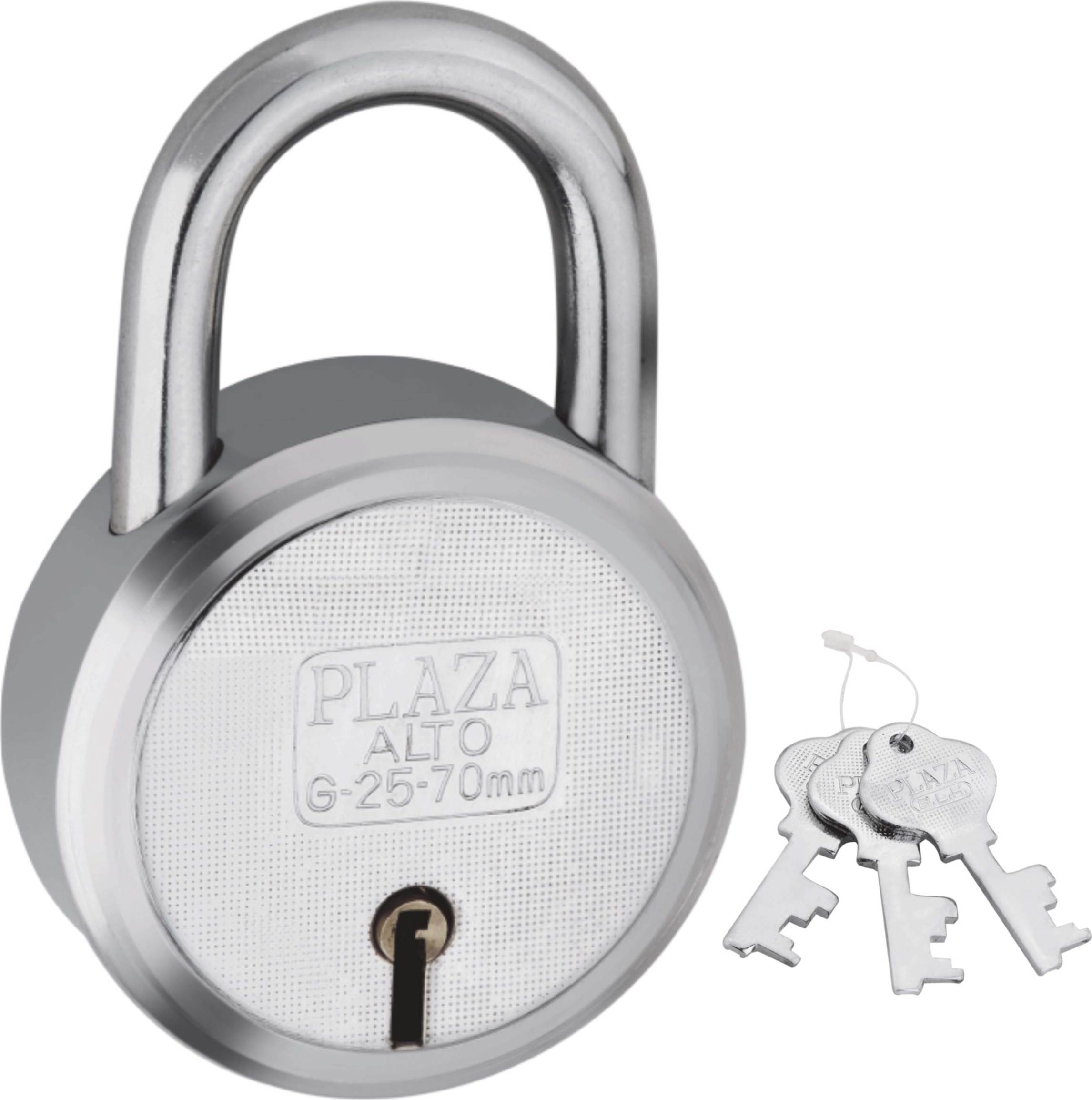
Exploring the Role of Locks in Modern Society: A Necessity for Security
In today's fast-paced world, the role of locks extends far beyond mere physical barriers. They are a fundamental aspect of security in both residential and commercial environments. The evolution of lock technology—ranging from simple mechanical systems to sophisticated electronic locks—highlights their crucial importance. In fact, a survey conducted by the National Institute of Justice shows that homes with deadbolt locks are 15 times less likely to be burglarized. Therefore, understanding how locks operate and the various types available can significantly enhance one's security measures.
Moreover, as we navigate through an increasingly insecure landscape, the demand for robust security solutions, including advanced locking systems, continues to grow. Smart locks, which can be controlled remotely and offer features like temporary access codes, are becoming increasingly popular among tech-savvy homeowners. These innovations not only provide superior security but also convenience and peace of mind. A balanced blend of traditional and modern locking mechanisms can ensure optimal protection for our homes and businesses, reinforcing the idea that locks are not just tools but essential components of our daily lives.
Counter-Strike is a popular first-person shooter game that emphasizes teamwork and strategy. Players participate in various game modes, primarily focusing on terrorist and counter-terrorist objectives. For those looking to protect their gaming gear, you might want to check out the Top 10 Secure AirPods Cases with Lock to keep your essentials safe while you play.
The Psychology of Safety: Why Locks Matter in Our Daily Lives
The concept of safety is deeply ingrained in human psychology, influencing our behavior and decision-making processes every day. One fundamental aspect of feeling secure is the presence of physical barriers, such as locks, which help protect our homes and belongings. The mere sight of a lock can trigger a sense of comfort and security, allowing individuals to operate in their environments with confidence. For many, the act of locking a door is more than just a precaution; it’s a psychological ritual that reinforces their sense of control and well-being.
Moreover, locks serve as a symbolic representation of safety in our daily lives. They not only protect against physical threats but also alleviate anxiety related to vulnerability. According to psychological studies, having secure locks can elevate a person’s overall happiness and peace of mind, making them feel sheltered from the unpredictability of 'what if' scenarios. As we navigate an increasingly uncertain world, investing in robust locking mechanisms becomes essential, highlighting why understanding the psychology of safety is crucial for our everyday living.
Are We Overlooking Security? The Importance of Locks in an Uncertain World
In an age where uncertainty is becoming the norm, the importance of locks in our daily lives cannot be overstated. Many individuals tend to overlook the significance of security measures, assuming that their possessions and loved ones are inherently safe. However, with rising crime rates and increasing reports of burglary, it is crucial to prioritize securing our homes and businesses. Investing in high-quality locks not only deters potential intruders but also provides peace of mind, allowing us to focus on what truly matters in our lives.
Are we truly aware of the risks we face? As we navigate through an unpredictable world, the simplest forms of protection, such as locks, often get taken for granted.
- Locks provide a physical barrier against unauthorized access,
- while technologically advanced options offer features such as keyless entry and smart connectivity.