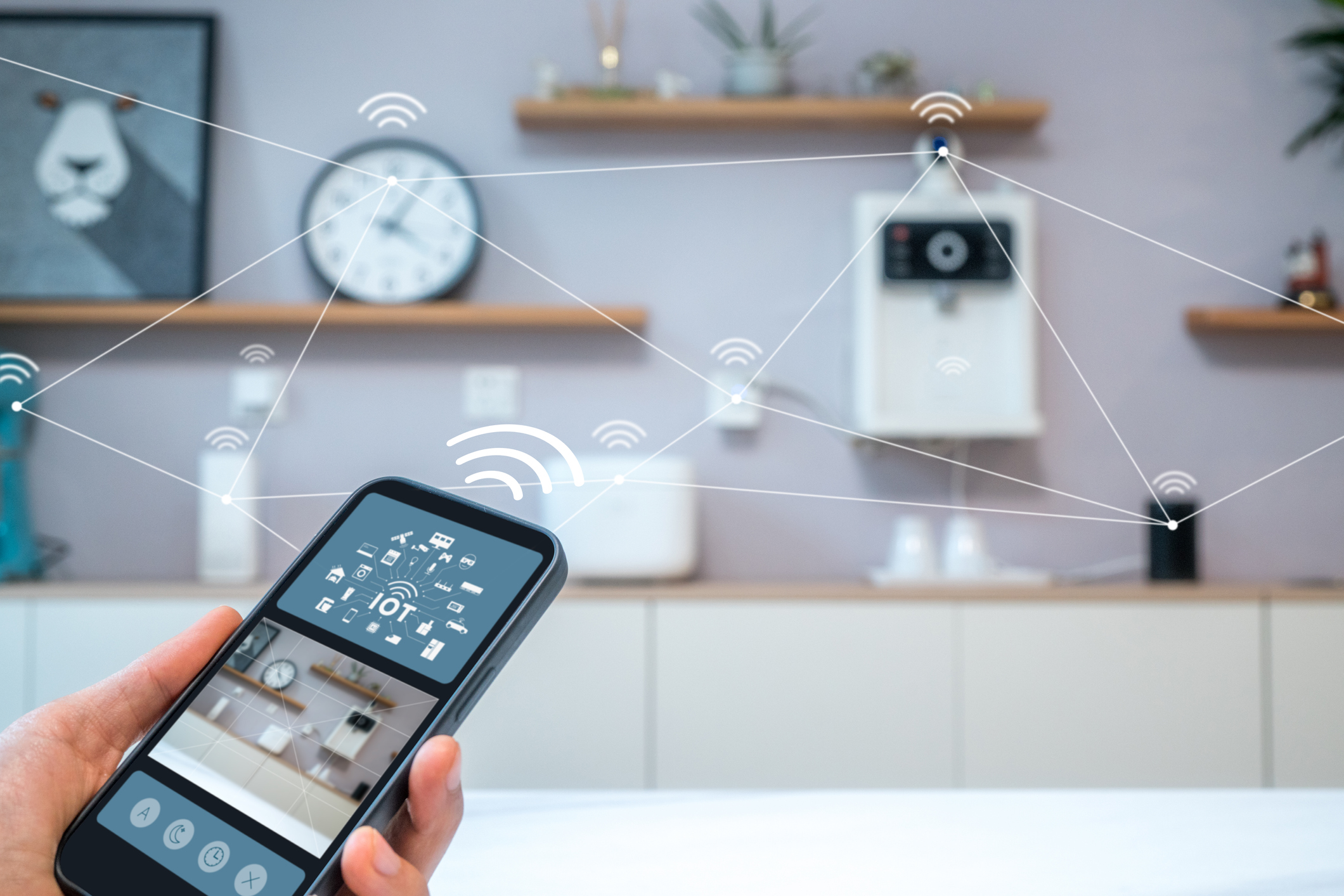
5 Surprising Ways Your Smart Home is Reading Your Mind
As our homes become increasingly integrated with smart technology, you might be surprised to learn that these devices are not just responding to voice commands or programmed routines. In fact, smart home systems have developed advanced capabilities to analyze your habits, preferences, and even emotional states. For instance, through the use of machine learning algorithms, your smart thermostat can monitor your daily schedule and adjust temperatures based on your typical routines. Additionally, smart lighting systems can alter brightness and hue to match not just the time of day, but how you are feeling, creating a more personalized environment.
Beyond mere automation, your smart home can use data analytics to anticipate your needs almost before you are aware of them yourself. With devices connected through the Internet of Things (IoT), your coffee maker might start brewing just as you wake up, or your smart speaker could select the playlist that fits your mood as you walk in. These insights stem from the continuous data collection processes that monitor your interactions, providing a degree of intuitive response that feels almost psychic. In this way, your home is effectively 'reading your mind' and adapting in real time to create a seamless living experience.
Counter-Strike is a popular team-based first-person shooter game that has captivated gamers since its release. Players can choose to play as either terrorists or counter-terrorists, engaging in tactical combat in various maps. If you're looking for inspiration for your next gaming session, check out the Top 10 Tech Gifts for Women, which includes gadgets that can enhance your gaming experience.
Are You Truly in Control? Understanding AI in Smart Home Devices
As smart home devices become increasingly prevalent in our daily lives, many users are left questioning, are you truly in control? While these devices offer unprecedented convenience, such as automated lighting, security systems, and temperature control, they also introduce new complexities surrounding user autonomy and data privacy. Understanding how Artificial Intelligence (AI) operates within these systems is crucial. AI algorithms learn from your habits and preferences, seeking to optimize your living environment. However, this reliance on AI can sometimes lead to an unsettling feeling of losing control over your own home.
Furthermore, the integration of AI in smart home technology raises essential concerns about data security and ownership. Many smart devices continuously collect data, which can be utilized not only for enhancing user experience but also for targeted advertising and predictive analytics. It's essential to recognize that the information you provide may be shared with third-party companies. To maintain a sense of control, users are encouraged to review privacy settings and familiarize themselves with the terms of service for their smart devices. By taking these proactive steps, you can ensure that while AI contributes to your home’s efficiency, you remain the one who ultimately decides how much control you relinquish.
Is Your Smart Home Keeping Secrets? The Hidden Dangers of Smart Technology
In today's world, the convenience of smart technology makes life simpler, but it also raises serious privacy concerns. Many smart home devices, such as voice assistants and security cameras, are designed to collect data for personalized experiences. However, this data collection can become problematic if sensitive information ends up in the wrong hands. For instance, studies have shown that hackers can exploit vulnerabilities in devices like smart locks and thermostats, allowing them to gain unauthorized access to your home and personal information. It's essential to be aware of these hidden dangers that come with smart tech.
Moreover, the lack of regulations surrounding data protection in the smart home industry means that personal data can be sold or shared without your consent. Many users are unaware that the marketing agreements associated with their favorite devices could lead to their information being used for targeted advertising. To mitigate these risks, consider conducting regular audits of your devices. Updating your privacy settings and using strong, unique passwords for each device can significantly enhance your security. Ultimately, staying informed and proactive is key to ensuring your smart home doesn't keep secrets that could compromise your safety.