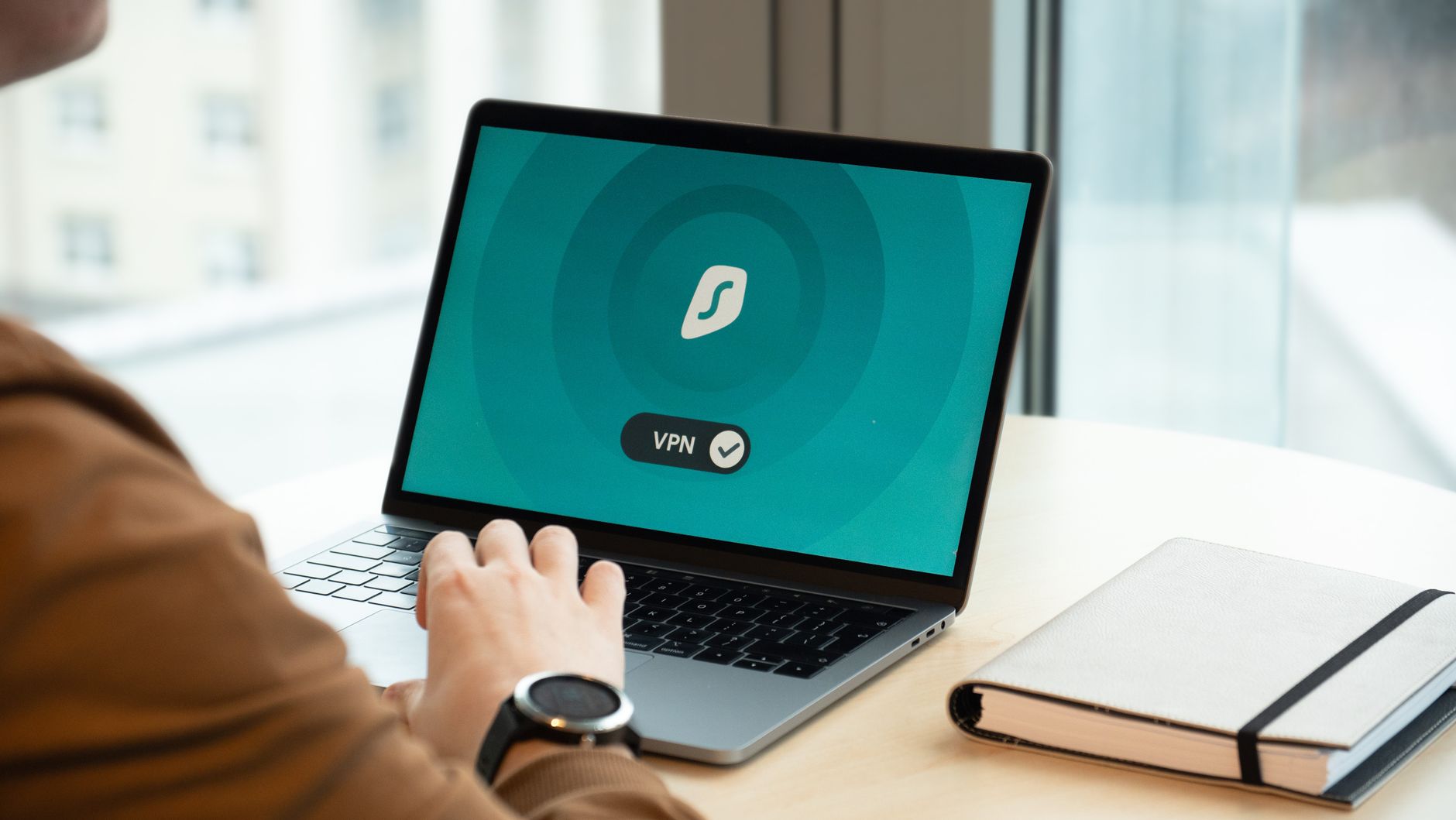
Unlocking the World: What is a Free VPN and How Does it Break Down Geo-Restrictions?
A Free VPN (Virtual Private Network) acts as a digital intermediary, routing your internet connection through a server in a different geographical location. This process effectively masks your true IP address and assigns you a new one corresponding to the VPN server's location. The primary allure of free VPNs lies in their ability to breeze past geo-restrictions – those annoying digital fences that limit access to content based on your physical whereabouts. Imagine wanting to watch a show only available in the UK, or access a news site blocked in your region; a free VPN can make this possible by making it appear as though you're browsing from the desired country. This 'digital teleportation' opens up a world of content previously inaccessible, from streaming services and online games to region-locked websites and applications.
While the concept of a free VPN sounds like a digital panacea for geo-restrictions, understanding its mechanics is crucial. When you connect to a free VPN, your internet traffic is encrypted and sent through their servers. These servers, strategically located around the globe, are the gateways that allow you to spoof your location. For example, if you're in the US and connect to a free VPN server in Japan, websites will perceive you as being in Japan. This is how platforms like Netflix, BBC iPlayer, or even certain online stores are tricked into granting access to their region-specific libraries. However, it's important to recognize that not all free VPNs are created equal, and their effectiveness in consistently bypassing geo-blocks can vary significantly due to server load, IP blocking by content providers, and the overall quality of the service.
Using a free vpn chrome extension can be a convenient way to enhance your online privacy and access geo-restricted content directly from your browser. These extensions often offer basic encryption and server choices, making them suitable for casual browsing.
Navigating the Digital Divide: Practical Tips for Choosing a Free VPN and Answering Your Burning Questions
Choosing a free VPN can feel like navigating a minefield, especially when trying to balance cost-saving with genuine security. The key is to approach it with a critical eye. While the allure of 'free' is strong, remember that these services often come with trade-offs. Prioritize providers with transparent privacy policies; if they're vague about data collection, it's a red flag. Look for features like a kill switch, even if basic, and consider user reviews on independent platforms. Avoid services that flood you with ads or demand excessive permissions, as these are often signs of data monetization. Ultimately, a free VPN should be seen as a stepping stone or for very light, non-sensitive browsing, not as a robust privacy solution for critical online activities.
Your burning questions about free VPNs are valid, and the answers often reveal the true nature of these services.
- Are they truly secure? Generally, no, not to the same extent as paid alternatives. Free VPNs often have smaller server networks, slower speeds, and may lack advanced encryption.
- How do they make money? Many free VPNs monetize through advertising, selling user data, or offering a 'freemium' model to upsell to a paid version.
- Will my data be logged? This is a critical concern. Always check their logging policy. Reputable free VPNs should explicitly state a 'no-logs' policy, though verifying this can be challenging.