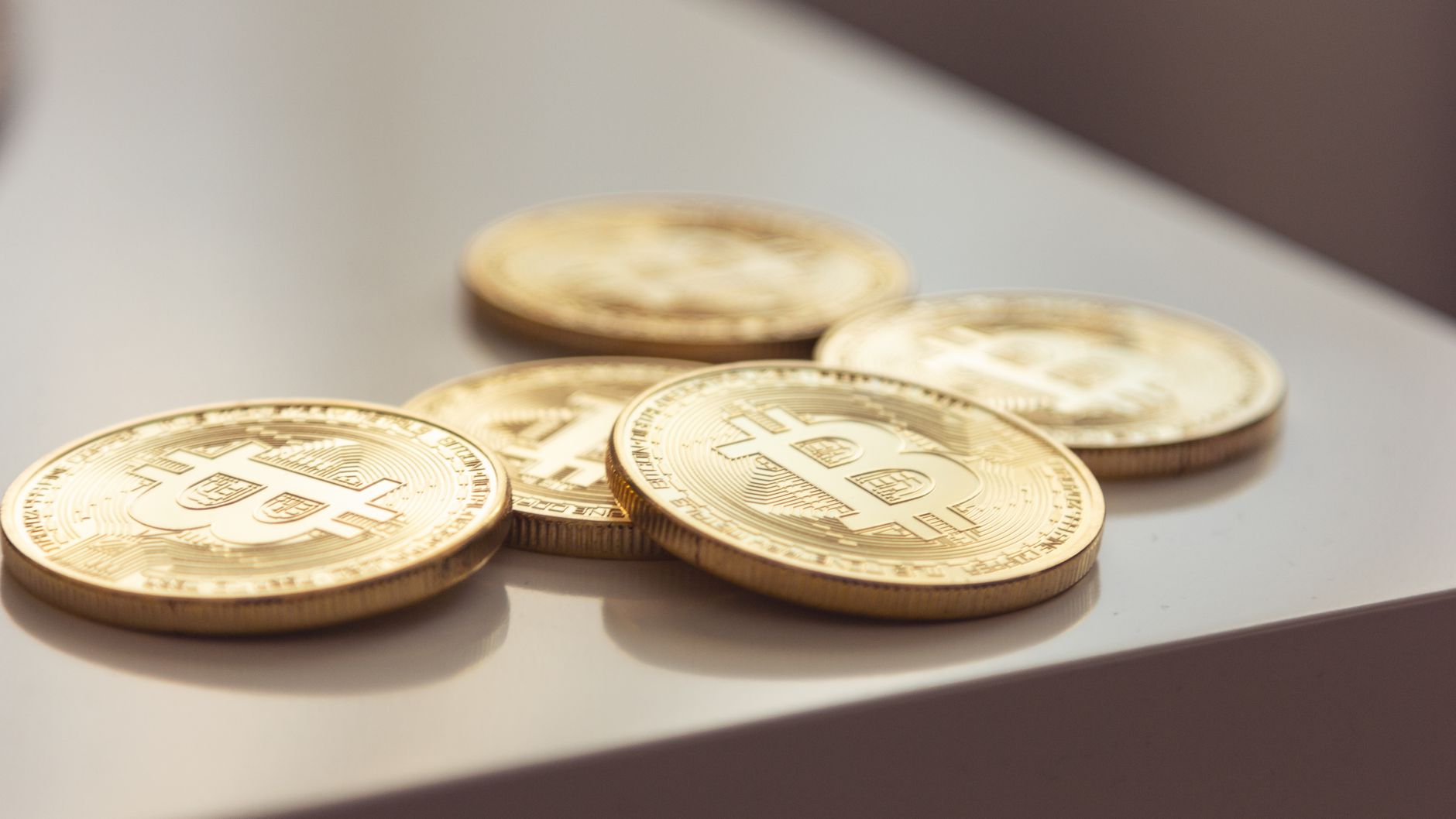
Navigating Bitcoin Transactions: From Wallet to Winnings - We'll unpack how Bitcoin transactions work, address common questions about speed and fees, and share practical tips for safeguarding your digital assets.
Understanding the journey of a Bitcoin transaction, from the moment you initiate it in your wallet to its confirmation on the blockchain, is crucial for any digital asset holder. At its core, a Bitcoin transaction involves digitally signing a message that authorizes the transfer of a certain amount of Bitcoin from one address to another. This signed transaction is then broadcast to the Bitcoin network, where miners verify its legitimacy and include it in a block. Once included and confirmed by subsequent blocks, the transaction is immutable. We'll delve into the fascinating mechanics behind this process, exploring concepts like UTXOs (Unspent Transaction Outputs) and the role of cryptographic signatures. Furthermore, we’ll address common questions regarding transaction speed, explaining why some transactions confirm faster than others, and demystify the fee structure, helping you understand how to optimize your transactions for cost-effectiveness and timely delivery.
Beyond the technicalities of transaction processing, safeguarding your digital assets is paramount. While Bitcoin's underlying technology is incredibly secure, the responsibility for protecting your private keys ultimately rests with you. This section will empower you with practical, actionable tips to enhance your security posture. We’ll cover essential practices such as choosing strong, unique passwords for all your accounts, enabling two-factor authentication (2FA) wherever possible, and understanding the different types of Bitcoin wallets available – from hot wallets for convenience to cold storage solutions like hardware wallets for maximum security. We’ll also discuss the importance of regularly backing up your wallet and the risks associated with phishing scams and other social engineering attacks. By adopting these best practices, you can significantly mitigate potential vulnerabilities and ensure your hard-earned digital winnings remain safe and sound.
Bitcoin casinos offer a new way to gamble online, combining the excitement of traditional casino games with the benefits of cryptocurrency. Players can enjoy enhanced privacy, faster transactions, and often exclusive bonuses when they choose a bitcoin casino. These platforms are gaining popularity for their innovative approach to online gaming.
Beyond the Blockchain: Understanding Bitcoin Casino Payouts - This section will demystify the payout process at Bitcoin casinos, cover typical withdrawal times and limits, and offer advice on secure and efficient cash-outs.
Navigating the payout process at Bitcoin casinos can seem daunting, but understanding the mechanisms involved ensures a smoother experience. Unlike traditional casinos with lengthy bank transfers, Bitcoin withdrawals leverage the speed of the blockchain. Typically, after a casino's internal processing time (which can range from instantly to 24 hours for security checks), your funds are transferred directly to your specified Bitcoin wallet address. It's crucial to double-check this address, as transactions on the blockchain are irreversible. While most reputable Bitcoin casinos boast rapid payouts, factors like network congestion can occasionally affect transaction speed. Be aware of any minimum or maximum withdrawal limits imposed by the casino, which are usually clearly outlined in their terms and conditions, and always factor in potential network transaction fees.
To ensure secure and efficient cash-outs, several best practices are highly recommended. Firstly, always choose a reputable Bitcoin casino with a proven track record of timely payouts and strong security measures. Look for licenses, positive user reviews, and transparent terms of service. Secondly, utilize a secure and private Bitcoin wallet where you control your private keys – hardware wallets or reputable software wallets are preferable to leaving significant funds on exchange wallets. Thirdly, be aware of any Know Your Customer (KYC) requirements some casinos may implement, especially for larger withdrawals, which might necessitate identity verification. Lastly, always keep your operating system and antivirus software updated, and use strong, unique passwords for all your casino and wallet accounts to protect your digital assets.