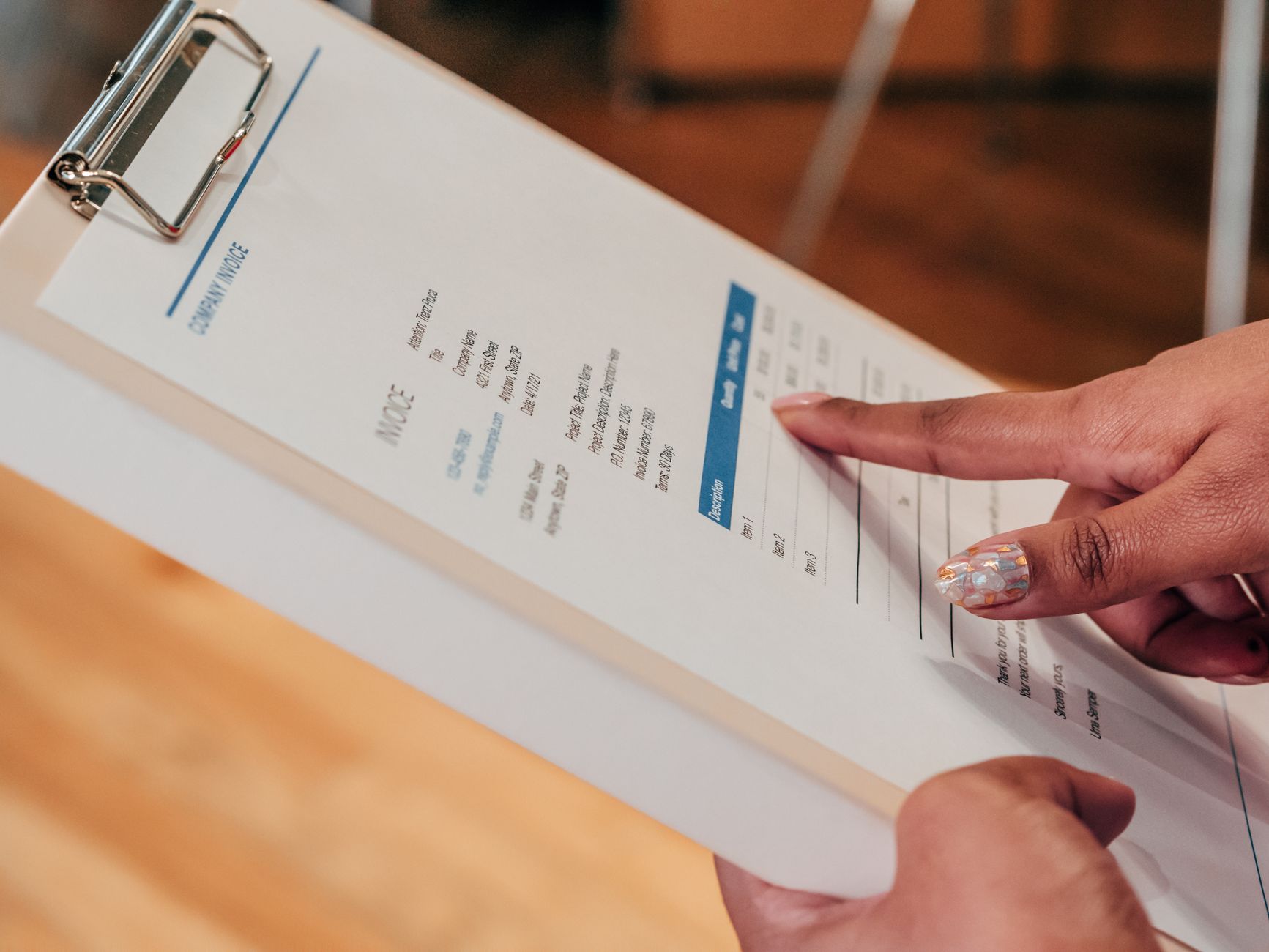
E-Invoicing Explained: From Basics to Benefits – What It Is, Why It Matters, and How It Works
E-invoicing, at its core, transcends the simple act of sending an invoice electronically. It signifies a paradigm shift towards a streamlined, automated, and secure exchange of transactional data directly between buyer and seller systems. Unlike traditional PDF invoices attached to emails, which still require manual processing and data entry, e-invoicing leverages structured data formats like XML (e.g., UBL, CII) to ensure machine-readable information. This fundamental difference allows for immediate validation, faster processing, and significantly reduces the potential for human error. Understanding this distinction is crucial for businesses looking to optimize their financial operations and comply with evolving global regulations, many of which now mandate specific e-invoicing standards.
The 'why it matters' of e-invoicing extends far beyond just efficiency gains; it's about fostering greater financial transparency, bolstering security, and achieving substantial cost savings. By automating the entire invoice lifecycle – from submission to payment – businesses can dramatically cut down on administrative burdens associated with printing, mailing, and manual reconciliation. Furthermore, e-invoicing platforms often incorporate robust security measures, encrypting data and providing audit trails, thereby mitigating fraud risks and enhancing compliance. Many governments are also mandating e-invoicing as a tool to combat VAT fraud, making it an increasingly non-negotiable aspect of doing business internationally. The benefits are clear:
- Reduced operational costs
- Improved data accuracy
- Faster payment cycles
- Enhanced security and compliance
- Better cash flow management
Navigating E-Invoicing: Practical Tips, Common FAQs, and Avoiding Costly Mistakes
Navigating the complex world of e-invoicing can feel like a minefield, especially with the ever-evolving regulatory landscape. This section aims to equip you with practical, actionable tips to streamline your e-invoicing processes and avoid common pitfalls that can lead to significant financial repercussions. We'll delve into understanding regional mandates, such as those in the EU (e.g., Peppol) or specific Latin American countries, and highlight the importance of choosing a robust e-invoicing solution that offers scalability and compliance. Furthermore, we'll discuss the benefits of integrating e-invoicing with your existing ERP systems, leading to reduced manual errors, faster payment cycles, and ultimately, a healthier bottom line. Consider this your essential guide to transforming e-invoicing from a compliance burden into a strategic advantage.
Beyond the technical implementation, a crucial aspect of successful e-invoicing involves proactive problem-solving and understanding common FAQs. We'll address questions like "What data fields are mandatory for e-invoices in my region?" or "How do I handle rejected e-invoices?". A key focus will be on avoiding costly mistakes, such as non-compliance penalties, duplicate payments, or missed tax opportunities. Our practical tips will include regularly reviewing your e-invoicing workflows, training your team on best practices, and leveraging analytics to identify and rectify inefficiencies. We'll also touch upon the importance of data security and robust audit trails, ensuring your e-invoicing process is not only efficient but also compliant and secure. By mastering these elements, you can prevent minor oversights from escalating into major financial liabilities.