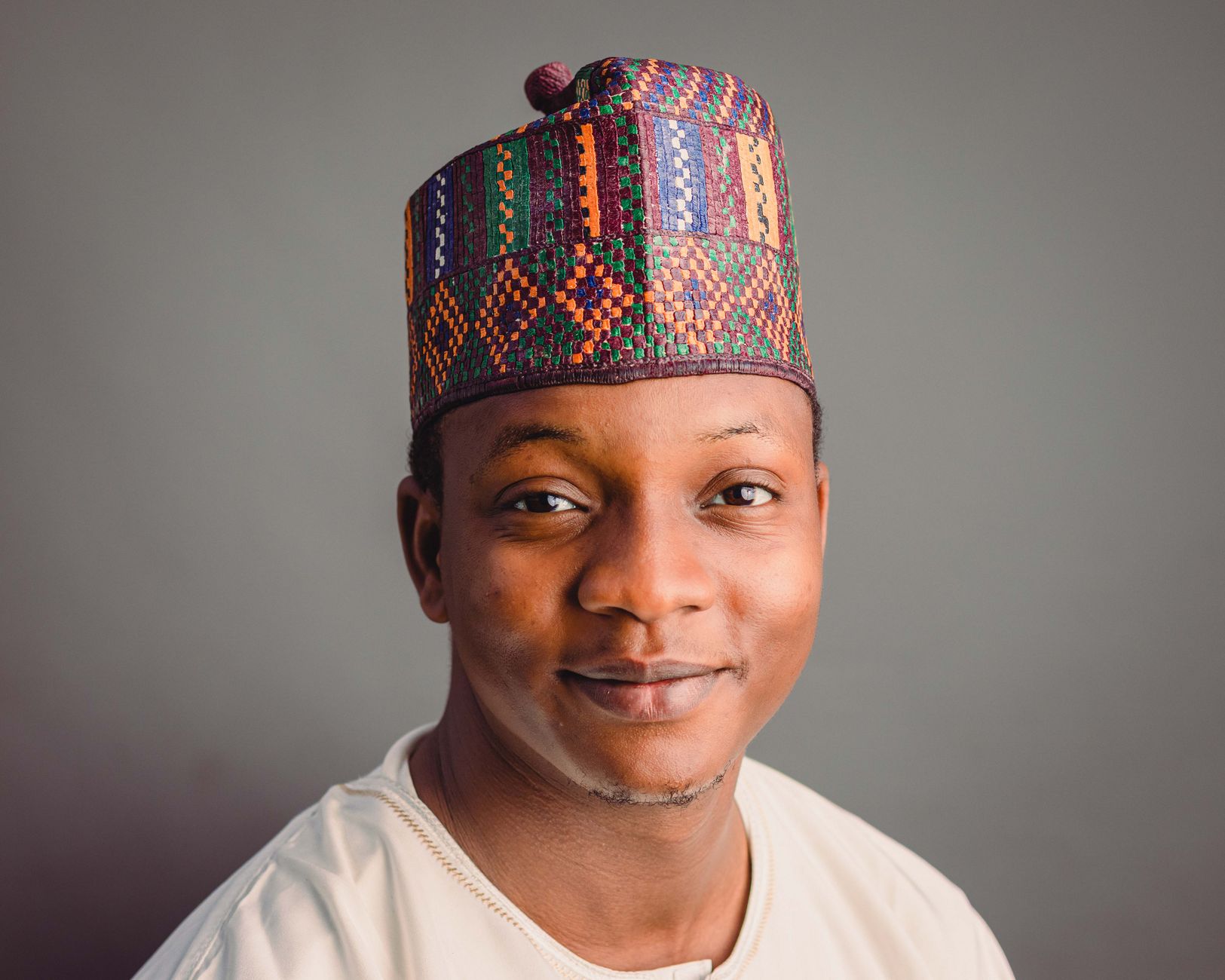
Mamadou Sylla's Journey: From Guinean Grassroots to Global Influence – What Drives a Leader?
Mamadou Sylla's trajectory from the grassroots of Guinea to a position of significant global influence is a testament to more than just ambition; it speaks volumes about the power of unwavering vision and community-centric leadership. His early experiences, deeply rooted in the challenges and aspirations of everyday Guineans, provided a unique crucible for developing a leadership style characterized by empathy and practicality. Rather than a singular 'aha!' moment, Sylla's drive appears to stem from a compounding series of observations regarding systemic inequalities and the untapped potential within his own people. This foundational understanding cultivated a profound sense of responsibility, compelling him to seek solutions that address not just immediate needs, but also foster sustainable development and empowerment. It's a journey marked by consistent engagement and a deep-seated belief in collective progress.
What truly propels a leader like Mamadou Sylla isn't merely the desire for personal achievement, but rather a robust internal compass pointing towards transformative social impact. His leadership isn't just about making decisions; it's about mobilizing, inspiring, and empowering others to contribute to a shared future. Key drivers appear to include:
- A deep understanding of local contexts: Enabling tailored, effective solutions.
- Relentless advocacy for marginalized voices: Ensuring inclusivity in development.
- A commitment to long-term sustainability: Moving beyond short-term fixes to lasting change.
- The ability to bridge cultural divides: Fostering collaboration on a global scale.
Ultimately, Sylla's influence isn't built on force, but on a genuine dedication to human development and a strategic approach to fostering positive change, both within Guinea and beyond its borders.
Making Your Mark Like Sylla: Practical Steps for Aspiring Humanitarians & Answering Your FAQs
Drawing inspiration from historical figures like Sylla, who left an indelible mark on their world, aspiring humanitarians can forge their own paths to impact. The journey begins with a solid foundation of understanding and skill-building. Consider volunteering with local charities or NGOs to gain firsthand experience; even a few hours a week can provide invaluable insights into community needs and organizational structures. Furthermore, pursuing relevant education, whether through formal degrees in international relations, public health, or social work, or through certificate programs in project management or disaster relief, can significantly bolster your capabilities. Don't underestimate the power of networking either; attending workshops, conferences, and online forums can connect you with mentors and like-minded individuals, opening doors to future opportunities and collaborative initiatives. Remember, every great movement starts with a single, dedicated step.
As you embark on your humanitarian journey, several common questions arise. Many wonder, "Do I need a specific degree to start?" While formal education is incredibly beneficial, it's not always a prerequisite to begin. Practical experience, strong interpersonal skills, and a genuine passion for helping others are often equally, if not more, valued. Often, organizations seek individuals with diverse skill sets, from communications and fundraising to logistics and data analysis. Another frequent query is, "How do I find reputable organizations?" Look for groups with a proven track record, transparent financial reporting, and clear mission statements. Websites like Charity Navigator or GuideStar can offer valuable insights into an organization's legitimacy and impact. Lastly, remember that humanitarian work can be emotionally demanding, so prioritizing self-care and building a strong support system are crucial for long-term sustainability and effectiveness.