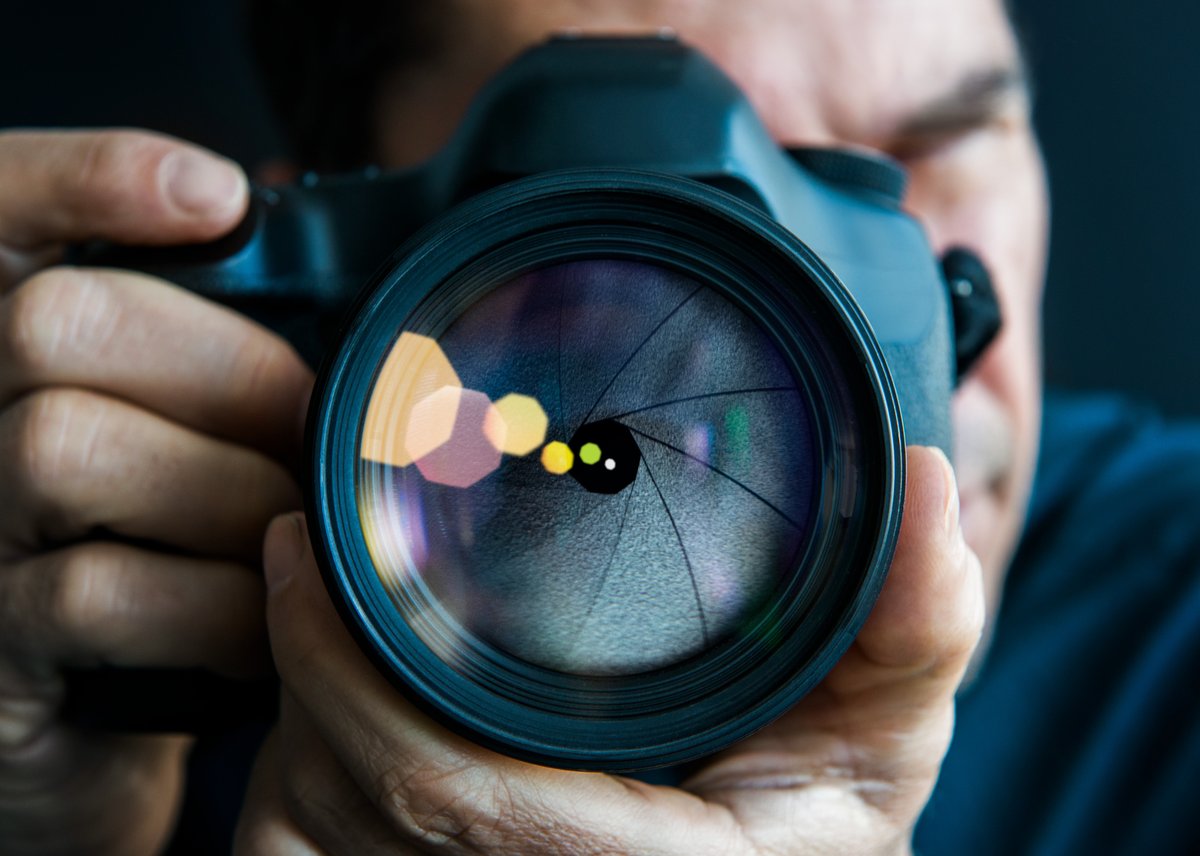
The Art of Seeing: How Your Eye and Camera Work Together
The relationship between the human eye and the camera is a fascinating interplay of biology and technology. Both are designed to capture light and translate it into an image, but they do so in unique ways. The human eye utilizes a complex system of lenses and sensors, similar to a camera, to focus images onto the retina. This biological mechanism allows for a vast range of perception, including color, depth, and motion. In contrast, a camera replicates this process using a lens system and a sensor that converts light into digital data. Understanding these differences can enhance your photography skills, ultimately leading to better composition and exposure.
When you snap a photograph, the synergy between your eye and the camera becomes essential. To create compelling images, photographers must train their eyes to see beyond the obvious and recognize the art of seeing. This involves paying attention to elements such as light, shadow, and texture, allowing for a more nuanced approach to framing and capturing a scene. Practice is key; by regularly practicing your photography in various environments, you can strengthen this interplay, resulting in more striking images. Over time, you will not only improve your technical skills but also develop an intuitive understanding of how your eye and camera work together to tell a story through your photographs.
Counter-Strike is a highly popular multiplayer first-person shooter that emphasizes teamwork and strategy. Players can choose to play as terrorists or counter-terrorists, engaging in various objective-based missions. For photography enthusiasts, enhancing your iPhone's capabilities can be crucial, so check out the Top 10 iPhone camera accessories to elevate your mobile photography experience.
Choosing the Right Lens: A Key to Capturing Your Vision
When it comes to photography, choosing the right lens is crucial for effectively capturing your vision. The lens you select can significantly influence the outcome of your images, affecting everything from exposure to composition. For instance, wide-angle lenses are ideal for landscape photography, as they allow you to capture expansive scenes, while telephoto lenses are great for portraits, enabling you to focus on your subject with beautiful background blur. Understanding the different types of lenses available will help you make more informed decisions that reflect your artistic intentions.
Additionally, consider factors such as lens aperture and focal length when making your choice. A lens with a large aperture (indicated by a smaller f-number) can create stunning depth-of-field effects, helping your subject stand out in a crowded frame. On the other hand, lenses with varied focal lengths offer versatility by allowing you to switch perspectives without changing equipment. By mastering the nuances of lens selection, you can elevate your photography skills and truly bring your creative vision to life.
Is Your Camera Freezing Your Creativity? Understanding the Balance Between Eye and Equipment
In the world of photography, the synergy between eye and equipment is essential for unleashing creativity. Many photographers find themselves at a crossroads, where their camera's limitations can stifle their artistic vision. When your camera fails to keep pace with your creative instincts—whether due to slow autofocus, inadequate resolution, or cumbersome controls—you might feel as though your creativity is frozen. It's crucial to strike a balance; while high-end equipment can enhance your work, over-reliance on it can lead to missed opportunities for creative expression. Before you rush to upgrade your gear, take a moment to assess your skills and consider how your eye for photography can adapt to the tools at hand.
Furthermore, it's important to remember that the most compelling images often arise from the marriage of technical prowess and an artistic eye. Training your eye to see beyond the limitations of your equipment can liberate you from the feeling of being hindered by it. Techniques like compositional awareness, understanding light, and experimenting with different perspectives can lead to stunning results without necessitating expensive upgrades. By focusing on the story you want to tell, rather than just the equipment you own, you can ignite your creativity and ensure that your camera enhances rather than hinders your artistic journey.