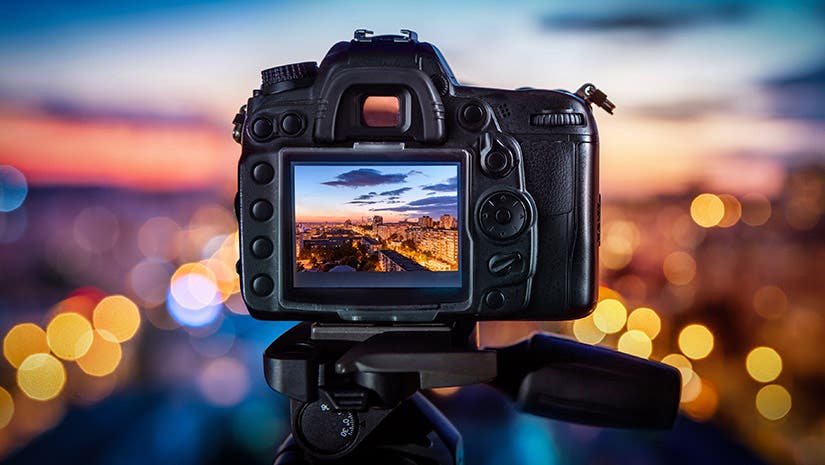
The Impact of Instant Photography on Modern Art: A Deep Dive
The advent of instant photography has had a profound impact on the landscape of modern art, transforming the way artists and audiences perceive and engage with visual media. Unlike traditional photography, which often involves a lengthy development process, instant photography allows creators to capture and see their images in real-time. This immediacy not only fosters spontaneity and experimentation but also encourages a new form of artistic expression that challenges the conventions of established mediums. For many artists, the ability to instantly produce a tangible photograph serves as a metaphor for the fleeting nature of memory and the passage of time.
Furthermore, the accessibility of instant photography has democratized the art world, enabling individuals from diverse backgrounds to explore their creativity without the barriers often associated with traditional photography. As a result, we see an emergence of unique visual narratives and personal storytelling through the lens of instant cameras. The integration of these images into contemporary art installations and social media platforms has further amplified their reach, making them an essential element of modern art discourse. This shift underscores the significance of instant photography as not only a tool for artistic production but also as a pivotal influence in the ongoing evolution of how art is created and consumed.
Counter-Strike is a popular tactical first-person shooter game that pits two teams against each other: the terrorists and the counter-terrorists. Known for its competitive gameplay and strategic depth, it has become a staple in esports. Players can choose from a wide range of weapons and tactics to achieve their objectives, whether it's planting a bomb or rescuing hostages. For gamers interested in enhancing their photography skills, check out the Top 10 iphone camera lenses to capture the best moments during gameplay.
Capturing Moments: How Social Media Shapes Our Perception of Photography
In today's digital age, social media has revolutionized the way we consume and share photography. Platforms like Instagram, Facebook, and TikTok have become powerful tools for photographers, both amateur and professional, to showcase their work to a global audience. Every shared image is an opportunity to tell a story, provoke thought, or evoke emotion, altering the traditional role of photography from mere documentation to an engaging dialogue between the creator and the viewer. As more users curate their feeds with aesthetically pleasing images, the pressure to conform to certain visual standards can shape the very essence of photography itself, often prioritizing style over substance.
Moreover, the feedback loop created by social media influences photographers’ creative processes, encouraging them to adapt their styles based on audience preferences. This dynamic interaction is evident in trends that emerge within various photographic genres, where viral challenges or popular aesthetics can dictate what is considered 'worthy' of sharing. As photographers seek likes and shares, the impact of social media extends beyond individual images; it reshapes our collective perception of what photography can represent. Consequently, we must ask ourselves: is the art of photography evolving for the better, or are we risking the loss of its authenticity in pursuit of virtual validation?
What Makes a Great Snapshot? Tips for Instant Photography Success
Capturing that perfect moment in a photo is an art, and understanding what makes a great snapshot can elevate your instant photography skills. First and foremost, consider lighting. Natural light is often the best choice, with golden hour providing a warm and soft glow that enhances your subjects. Try to avoid harsh midday sunlight that can create unflattering shadows. Additionally, composition plays a critical role. Use techniques like the rule of thirds to create balanced images, ensuring your subject isn't just centered but rather strategically placed to draw the viewer's eye.
Aside from technical aspects, capturing emotion and storytelling can turn an ordinary snapshot into a memorable one. Engage with your subjects to elicit genuine expressions, and aim to capture moments that resonate with viewers. Remember, less can be more; sometimes, focusing on a single element can create a striking image. Lastly, don't be afraid to experiment with angles and perspectives. Changing your viewpoint can provide fresh insights and help you discover unique compositions that stand out. By following these tips, you'll be well on your way to achieving instant photography success.