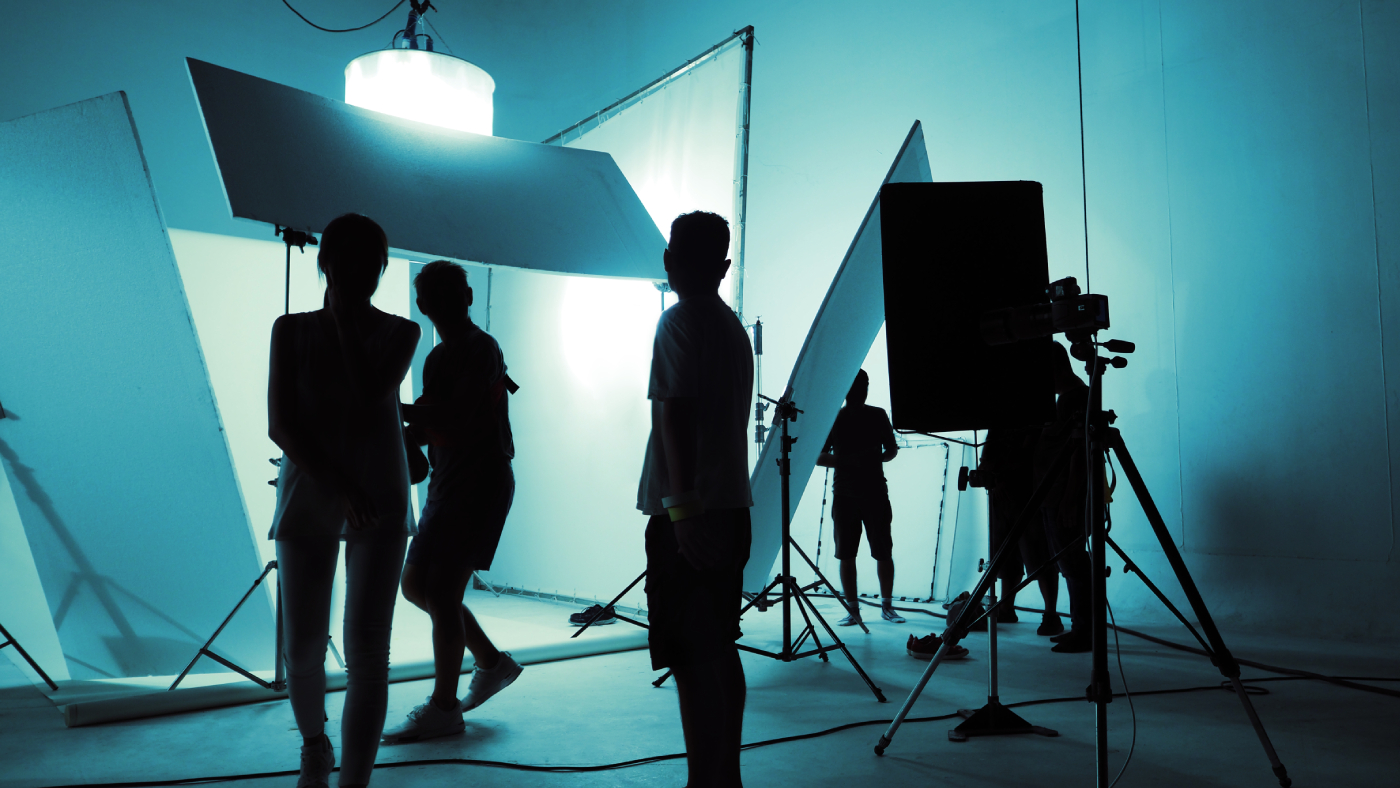
How to Turn Your Home into a Film Set: Essential DIY Tips
If you're dreaming of creating a cinematic atmosphere in your home, turning your space into a film set can be an exciting DIY project. Start by assessing the rooms you wish to transform; consider factors such as lighting, space, and the desired aesthetic. Choose a theme that resonates with you—whether it’s cozy and rustic or sleek and modern. You can achieve dramatic lighting by using a combination of softbox lights, LED strips, and even natural light through windows. Don’t forget to look for the perfect backdrop, whether it’s a painted wall, textured fabrics, or even temporary backdrops that can be easily set up and removed.
Once you have the basic setup, it's time to focus on the details that will elevate your home to a professional-level film set. Prop selection is key—browse thrift stores or create your own props to fit the narrative you want to tell. Incorporate furniture and decor pieces that complement the color scheme of your film. Consider creating a simple color palette to ensure everything works harmoniously. Lastly, adding personal touches such as framed family photos, unique decor items, or themed artifacts can enhance the authenticity and help to immerse viewers in your film’s world. With these essential DIY tips, your home will not just be a living space, but a canvas for your cinematic creativity!
Counter-Strike is a highly popular multiplayer first-person shooter game that pits two teams against each other: terrorists and counter-terrorists. Players can choose from various game modes, including bomb defusal and hostage rescue, which require teamwork and strategy for success. For gamers looking to enhance their experience, exploring the Top 10 iPhone video accessories can be a great way to improve their gameplay and streaming quality.
The Top 5 Unexpected Challenges in DIY Filmmaking and How to Overcome Them
Embarking on a DIY filmmaking journey can be an exhilarating experience, but it's not without its unexpected challenges. One of the primary hurdles filmmakers often face is equipment limitations. While it's tempting to envision shooting with top-of-the-line cameras and sound equipment, many DIY filmmakers must make do with what they have. This can lead to issues in achieving the desired production quality. To overcome this, prioritize investing in a few essential tools, like a good microphone and lighting setup, and maximize your creativity to compensate for less-than-ideal gear.
Another common challenge arises from time management. DIY filmmakers often juggle multiple roles: from direction to editing, which can stretch timelines unexpectedly. According to a study, over 60% of DIY projects take longer than planned. To mitigate this, create a realistic production schedule and stick to it. Utilize tools like project management apps to keep track of your progress and deadlines, allowing you to maintain focus and achieve your filmmaking goals without feeling overwhelmed.
What Equipment Do You Really Need for Successful DIY Filmmaking?
When embarking on the journey of DIY filmmaking, equipping yourself with the right tools can significantly enhance your storytelling capabilities. At the core of your setup, you'll need a camera that suits your budget and goals—ranging from a simple smartphone to a professional DSLR or mirrorless camera. In addition, consider investing in tripods or gimbals for stable shots, which are essential for creating polished visuals. Don't overlook the importance of good lighting; softbox lights or LED panels can dramatically improve the quality of your footage. Finally, an effective audio setup, including a quality microphone, is crucial, as clear sound can make or break your film.
Beyond the essentials, some additional equipment can take your DIY filmmaking to the next level. For instance, you might want to explore using drones for stunning aerial shots or action cameras for capturing unique perspectives. Editing software is also vital for post-production; programs like Adobe Premiere Pro or Final Cut Pro can help you refine your film. Lastly, don't underestimate the power of props and costumes, which can add depth and creativity to your narrative. Remember, while high-end gear is great, it's the storytelling that truly resonates with your audience.