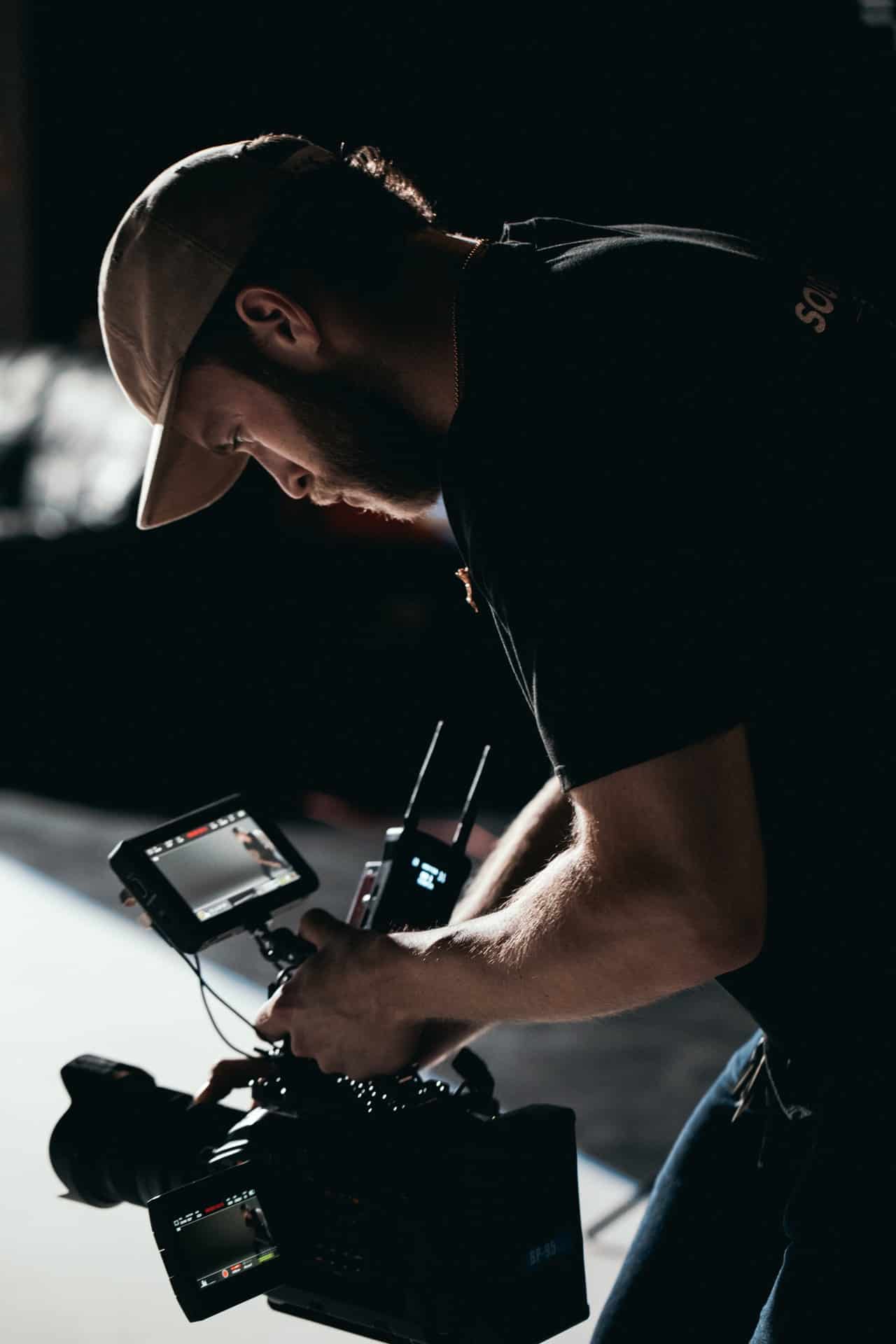
The Art of Storytelling Through Videography: Techniques for Captivating Narratives
The Art of Storytelling Through Videography is a profound skill that blends creativity with technique. Effective storytelling in videography goes beyond merely recording events; it involves weaving a narrative that captivates the audience's attention. To begin with, consider starting your story with a compelling hook—something that piques interest right from the first few seconds. Utilize dynamic visuals to engage viewers, and incorporate elements such as voiceovers, background music, and sound effects to enhance emotional resonance. Additionally, establishing a clear structure with a beginning, middle, and end is crucial. For instance, you can introduce characters, present challenges, and then reveal resolutions, ensuring that viewers remain emotionally invested throughout the journey.
Moreover, techniques for captivating narratives in videography are abundant. One effective method is the use of visual metaphors that can elevate simple stories to profound experiences. For example, the use of time-lapse footage can symbolize change or growth, while close-up shots can convey raw emotions. Experimenting with different storytelling formats—such as documentaries, short films, or vlogs—can also appeal to various audience preferences. Don't forget to incorporate editing styles that match the tone of your story; fast cuts may generate excitement, while slow transitions can evoke reflection. Ultimately, the key lies in authentic representation of the narrative, inviting viewers to connect on a personal level.
Counter-Strike is a popular team-based first-person shooter that has shaped the landscape of competitive gaming since its release. Its tactical gameplay, emphasis on teamwork, and iconic maps have made it a favorite among gamers worldwide. For those looking to enhance their gaming experience, check out the Top 10 iphone gimbals to improve your mobile gaming setup.
Top 5 Essential Equipment Tips for Aspiring Videographers
As an aspiring videographer, having the right equipment is crucial for creating high-quality content. Here are five essential equipment tips that can set you on the path to success:
- Invest in a Good Camera: Your camera is the most important tool in your videography kit. Look for a model that offers excellent video quality, reliable autofocus, and a variety of recording formats. A camera with interchangeable lenses can also enhance your creative choices.
- Prioritize Sound Quality: Don’t underestimate the importance of sound in your videos. Invest in a decent microphone and consider using an external audio recorder for better sound quality. Quality audio can significantly elevate the overall production value of your projects.
In addition to a good camera and sound equipment, here are three more tips to help you create stunning videos:
- Use Tripods and Stabilizers: To achieve professional-looking footage, stability is key. A sturdy tripod can help you capture steady shots, while gimbals or stabilizers are essential for smooth moving shots.
- Lighting Matters: Proper lighting can make or break your video. Invest in softbox lights or LED panels to ensure your subjects are well-lit. Natural light can also work wonders, so learn to use it to your advantage.
- Don’t Ignore Post-Production Software: Great videos often require good editing. Get familiar with popular editing software like Adobe Premiere Pro or Final Cut Pro to polish your footage and add special effects.
How to Choose the Right Style of Videography for Your Next Project
Choosing the right style of videography for your next project is crucial to effectively convey your message and engage your audience. Consider the purpose of your video: Are you aiming to inspire, inform, or entertain? Different styles, such as documentary, narrative, or promotional, can dramatically influence the emotional tone and viewer perception. Additionally, think about the target audience—what style resonates with them? For instance, if you're creating a corporate training video, a straightforward and professional style may be most appropriate, while a lifestyle brand might benefit from a more artistic and dynamic approach.
Next, evaluate the resources available to you, including budget, equipment, and talent. High-quality videography often requires appropriate investment in both technology and skilled personnel. If you have limited resources, consider simpler styles, like vlogging or animation, which can effectively communicate your message without a large budget. To help you decide, create an ordered list of styles that best align with your project goals:
- Documentary
- Narrative
- Promotional
- Vlog
- Animation
By weighing your project’s objectives and available resources, you can choose a videography style that not only captivates your audience but also stays within your project’s parameters.