Key Questions & Practical Tips: Navigating E-invoicing in the UAE
To effectively navigate the burgeoning landscape of e-invoicing in the UAE, businesses must first address several key questions. Are you clear on the specific data fields required by the UAE’s tax authorities for compliant electronic invoices? Do you understand the different technological solutions available – from direct API integrations with the Federal Tax Authority (FTA) to certified third-party service providers – and which best suits your current IT infrastructure and operational scale? Furthermore, have you assessed the potential impact of e-invoicing on your existing accounting software and enterprise resource planning (ERP) systems, and do you have a clear migration strategy in place? Proactively answering these questions will form the bedrock of a smooth and efficient transition.
Beyond these foundational questions, several practical tips can significantly streamline your e-invoicing journey. Firstly, prioritize comprehensive staff training, ensuring your finance, sales, and IT teams are fully conversant with the new processes and technologies. Secondly, consider conducting a pilot program with a small subset of your invoices to iron out any unforeseen issues before a full-scale rollout. Thirdly, actively seek out and leverage the expertise of reputable e-invoicing solution providers who understand the nuances of UAE tax regulations and can offer tailored support. Lastly, maintain open lines of communication with your suppliers and customers, educating them on your transition to e-invoicing to ensure a seamless exchange of documents and avoid any disruptions to your business operations.
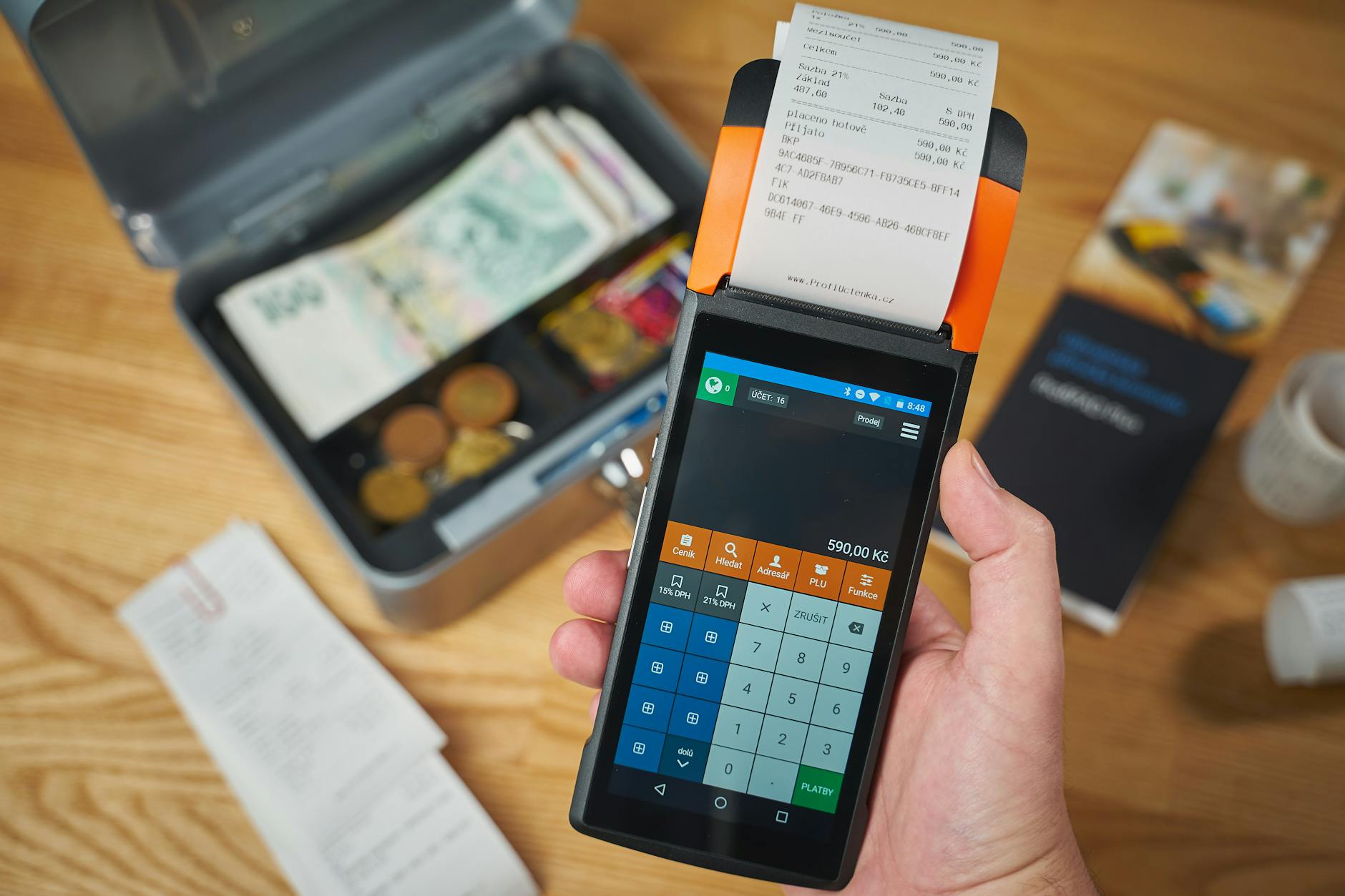
E-invoicing is a modern, electronic method of invoicing that streamlines the billing process for businesses. Instead of traditional paper invoices, e-invoicing involves the exchange of invoice data in a structured digital format directly between the supplier's and buyer's accounting systems. This not only enhances efficiency and accuracy but also contributes to quicker payments and reduced administrative costs, for more details on what is e-invoicing, you can find further information.
Decoding E-invoicing: Your Step-by-Step Guide & Common Concerns in the UAE
Navigating the transition to e-invoicing in the UAE doesn't have to be a bewildering experience. This comprehensive guide breaks down the process into manageable, actionable steps, ensuring your business remains compliant and efficient. From understanding the initial registration requirements with the relevant tax authorities – a crucial first step for all eligible businesses – to selecting the right e-invoicing solution that integrates seamlessly with your existing accounting systems, we'll walk you through each phase. We'll delve into the specifics of data fields required for compliant e-invoices, the various transmission methods accepted, and the critical importance of secure archiving to meet regulatory retention periods. Prepare to streamline your invoicing, reduce errors, and foster greater transparency in your financial operations.
Beyond the procedural aspects, it's natural for businesses to encounter common concerns when adopting a new system like e-invoicing. One prevalent worry revolves around data security and the integrity of sensitive financial information. Rest assured, the UAE's e-invoicing framework emphasizes robust security protocols and encryption standards to protect your data during transmission and storage. Another frequently asked question pertains to the integration challenges with legacy ERP systems. While this can seem daunting, many certified e-invoicing providers offer flexible APIs and connectors designed to facilitate smooth integration, often with minimal disruption. We'll also address the potential for initial costs associated with new software or training, weighing them against the long-term benefits of enhanced efficiency, reduced manual errors, and improved cash flow management. Understanding these concerns proactively empowers businesses to make informed decisions and embrace e-invoicing with confidence.